
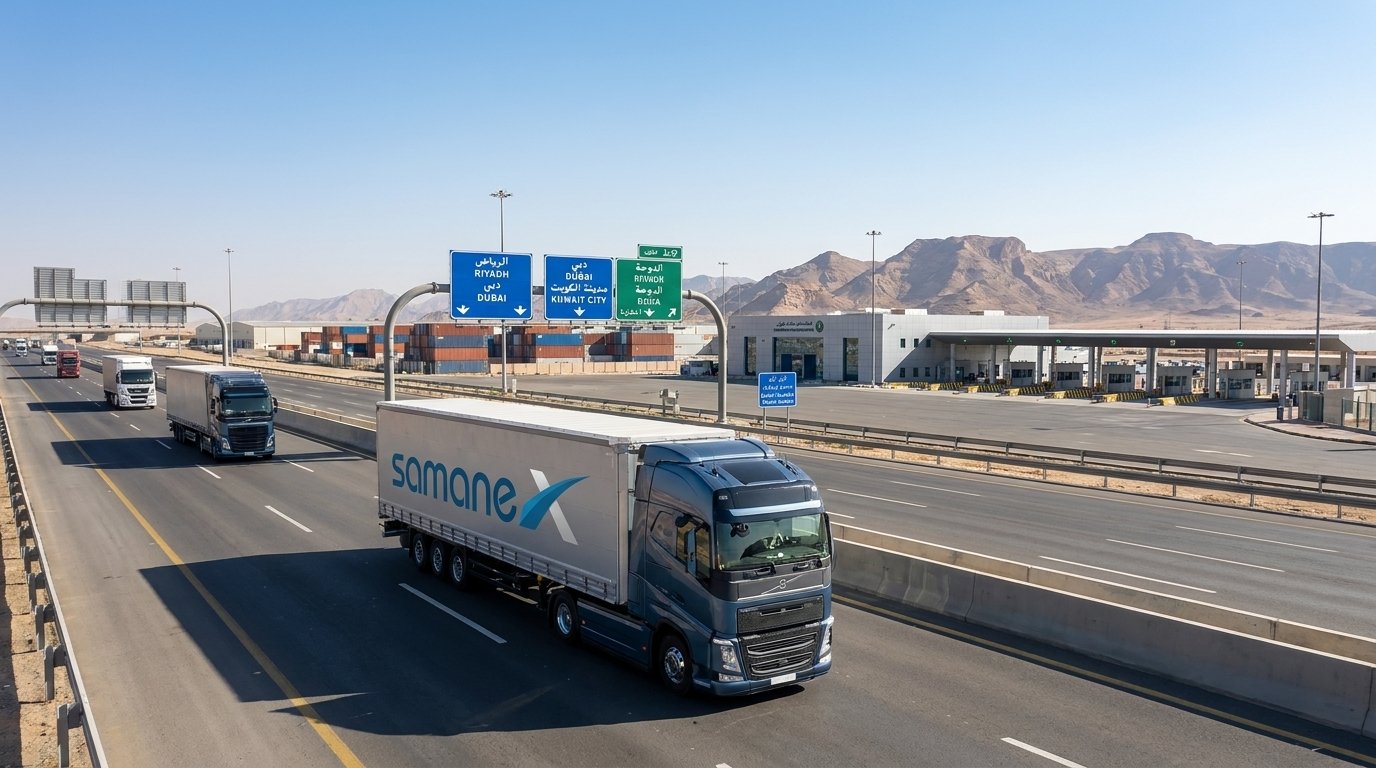
Moving goods across borders within the GCC requires more than just a reliable vehicle — it demands proper planning, documentation, and an experienced transportation partner who understands the region’s requirements. Here’s a complete guide to cross-border transportation across Saudi Arabia and the GCC.
Understanding GCC Cross-Border Transportation
Cross-border transportation refers to moving cargo, equipment, or goods from Saudi Arabia to neighboring GCC countries such as the UAE, Bahrain, Qatar, Kuwait, and Oman. Businesses across construction, trading, and industrial sectors regularly depend on this service to keep their operations running smoothly across borders.
Why Businesses Need Cross-Border Transport
Many companies operate across multiple GCC countries, requiring the movement of machinery, materials, or goods between branches, project sites, or suppliers. Reliable cross-border transportation ensures that business operations aren’t delayed by logistics gaps, allowing companies to expand and operate seamlessly across the region.
Documentation and Requirements
Cross-border transportation involves specific documentation, including shipping manifests, vehicle permits, and compliance with each country’s import and transport regulations. Working with an experienced transportation provider ensures all paperwork is handled correctly, preventing delays at border checkpoints.
Choosing the Right Vehicle for the Job
Different cargo types require different trailers for cross-border trips. Flatbed trailers work well for general goods, lowbed trailers are essential for heavy machinery, and curtain side trailers offer flexibility for mixed cargo. Selecting the right trailer in advance helps avoid complications during the journey.
Route Planning Across Borders
Cross-border routes must account for border crossing points, road conditions, and transit times between countries. Experienced logistics providers plan routes carefully to minimize delays, ensuring shipments move efficiently from origin to destination without unnecessary stops or detours.
Timing and Scheduling for Cross-Border Trips
Border crossings can involve inspection and processing times, so scheduling needs to account for these factors. A well-planned schedule reduces waiting times at checkpoints and ensures cargo arrives within the expected timeframe, keeping projects and deliveries on track.
Common Challenges in Cross-Border Transportation
Some of the most common challenges include border delays, documentation errors, and coordinating schedules across different countries’ regulations. Partnering with a provider who has established experience in GCC transportation significantly reduces these risks.
The Value of an Experienced Transportation Partner
Successfully managing cross-border transportation requires local knowledge, proper equipment, and strong relationships built from experience operating across the GCC. An experienced partner ensures shipments move smoothly, safely, and in full compliance with each country’s regulations.
SAMANEX — Your Trusted Cross-Border Transportation Partner
At SAMANEX, we provide reliable cross-border transportation connecting Saudi Arabia to every GCC country. With a modern fleet and experienced team, we handle documentation, route planning, and scheduling — ensuring your cargo reaches its destination safely and on time, wherever your business takes you across the region.